A stable, affordable home creates the foundation for health, dignity, and opportunity. It allows children to focus on learning, seniors to age in place with dignity and respect, and families to plan for the future with confidence. At Mercy Housing, we believe everyone deserves that foundation.
This 2025 Community Report reflects what stability makes possible across the communities we are privileged to serve. It shows how your partnership helps create vibrant, program-enriched communities where families, seniors, veterans, and individuals can put down roots and thrive. Across these pages, you will see that impact through the stories of residents whose lives have changed, the homes we have developed and preserved, and the partnerships that make our work possible. You will also see how this work unfolds across Mercy Housing, where local teams bring our mission to life in communities nationwide.
Guided by our 2024–2026 strategic business plan, Building for the Future, we made strong progress toward our goals. Together, we advanced key policy and legislative priorities, strengthened resident well-being and stability, and launched a five-year endowment campaign to raise $20 million to ensure long-term sustainability and impact. This year also marked meaningful geographic growth. We expanded into northwest Arkansas and Oklahoma, establishing a new regional office in Tulsa. In 2025 alone, we opened 12 new communities and rehabilitated one, providing stable, affordable homes to over 1,200 additional households. Each home represents more than a residence; it represents stability and the opportunity that follows.
Mercy Housing’s work is grounded in one simple truth: Housing is foundational for healthy neighborhoods and economic vitality. We are proud to deliver on this mission with accountability and care.
Yours in hope,

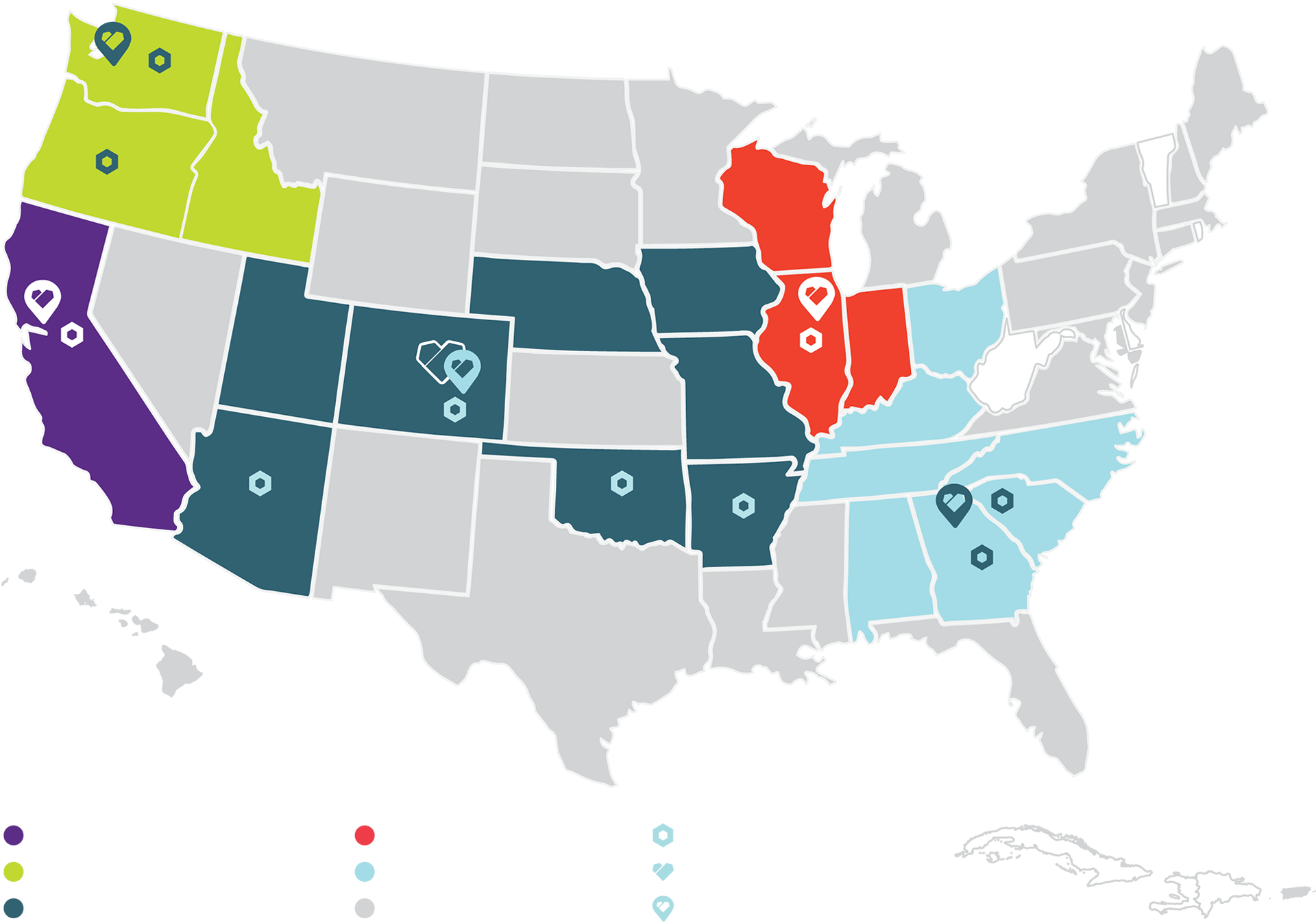
properties across 21 states. Mercy Housing is headquartered in Denver, with five regional offices in Atlanta, Chicago, Denver, Seattle, and San Francisco.
apartment homes. Of the households we serve, almost half are families, more than a third are seniors, and about 18% are people with special needs, including veterans and people who have been homeless.
in donations from generous supporters that will help fund programs, services, and initiatives
total revenue, 70% of which is from property rental income.
in total assets; net assets include $1.5 billion without donor restrictions and $82.5 million with donor restrictions.
in the pipeline for future developments totaling 6,166 new homes
is the average household income for Mercy Housing residents. This is about one- third of the average American household income of $83,730
talented, dedicated people work at Mercy Housing.
in affordable real estate development since 1981.
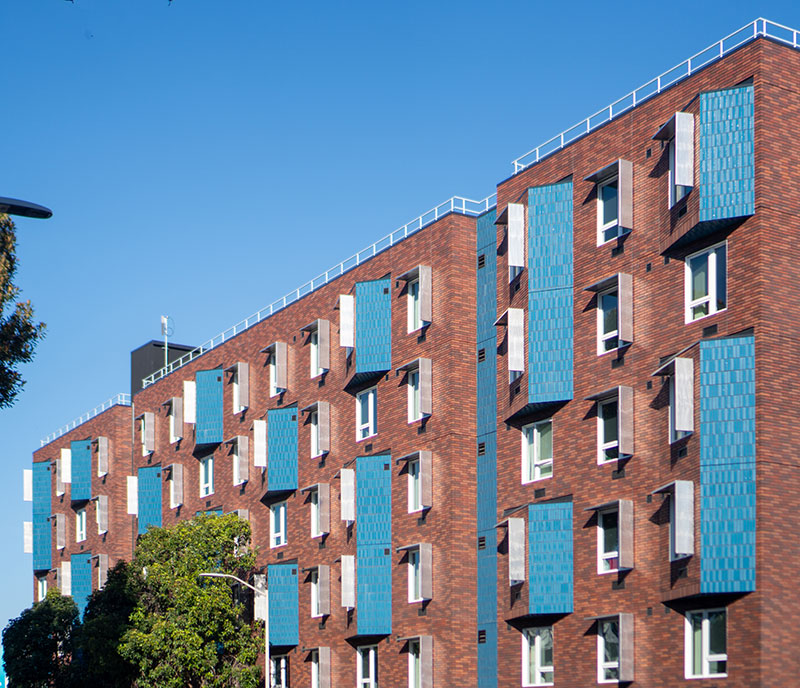
In 2025, Mercy Housing expanded and preserved affordable homes nationwide. No matter the scale or population served, each Mercy Housing community is developed with a commitment to strong partnerships, thoughtful design, environmental sustainability, and intentional community planning. In addition to building new communities, Mercy Housing also preserves affordable homes through strategic acquisitions and rehabilitation, ensuring these communities remain stable and accessible for generations to come.
San Francisco, CA

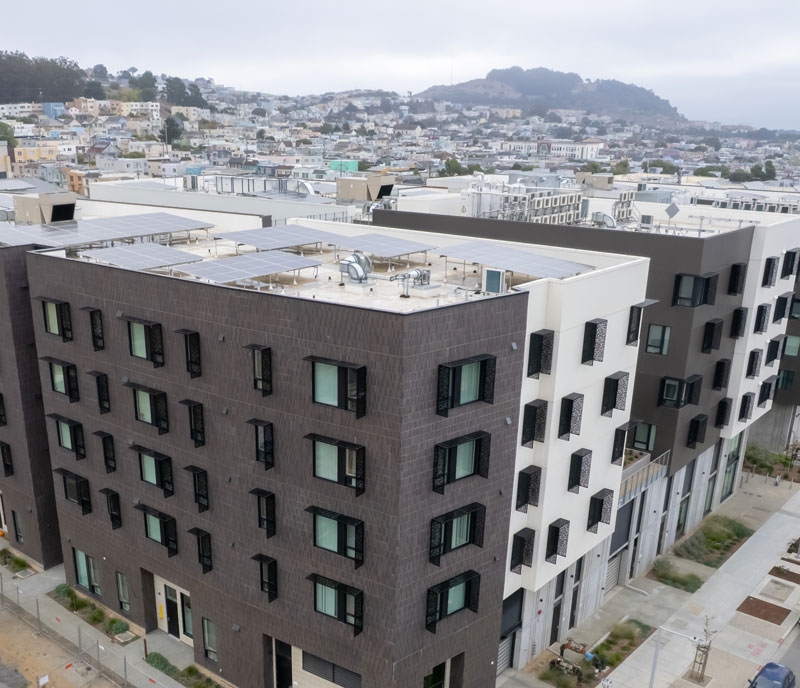
San Francisco, CA

Individuals

Families
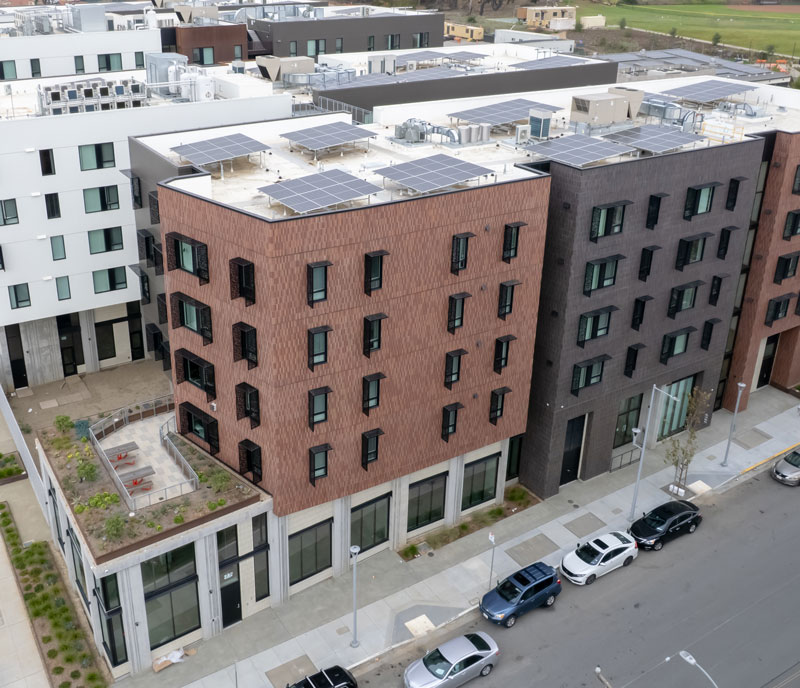
San Francisco, CA
Individuals
Families
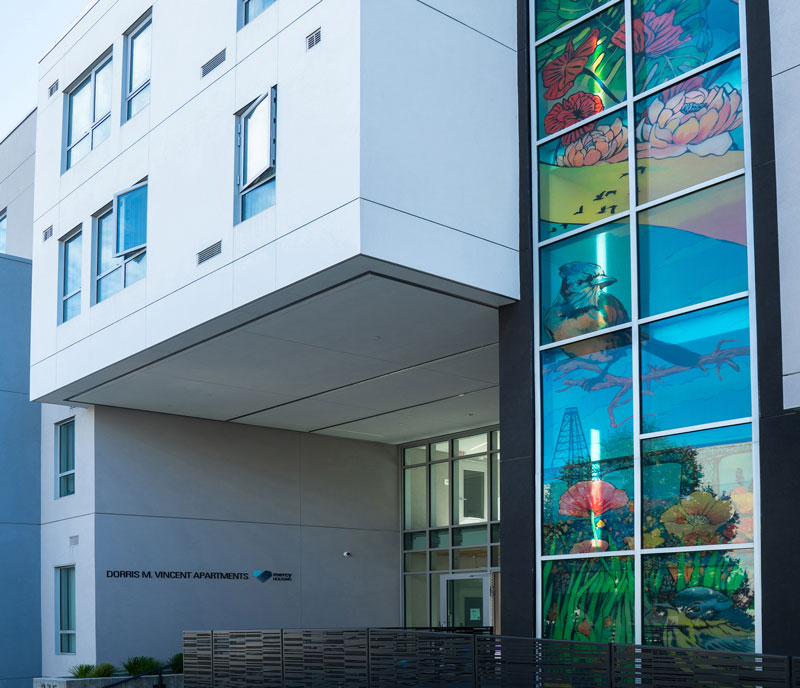
San Francisco, CA
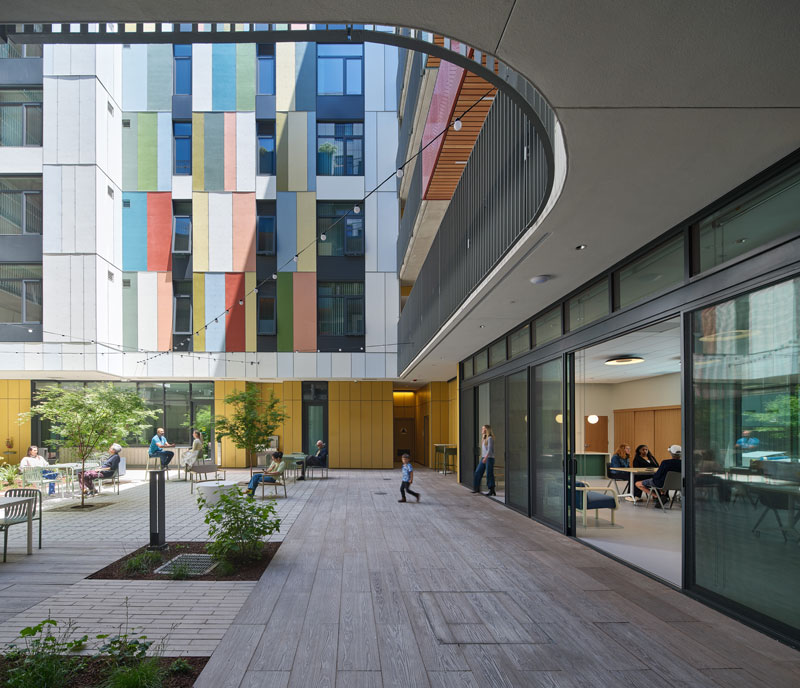
San Francisco, CA
Individuals

People with Disabilities
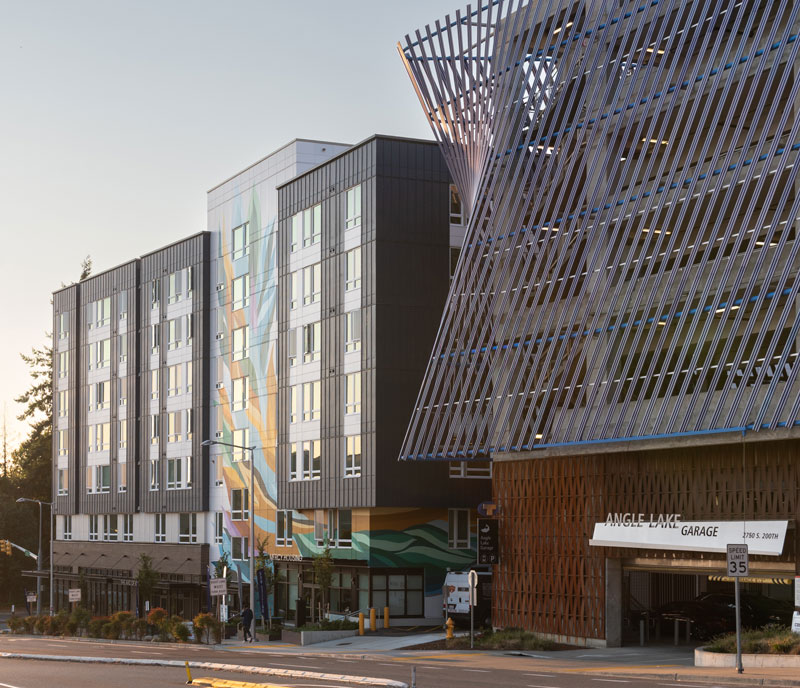
SeaTac, WA
Families
People with Disabilities
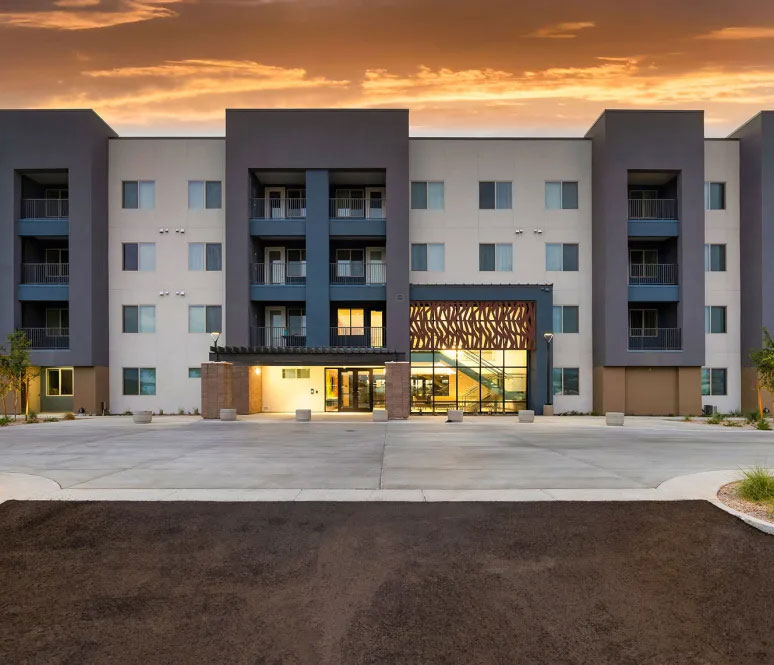
Glendale, AZ

Veterans

Seniors
Individuals
People with Disabilities
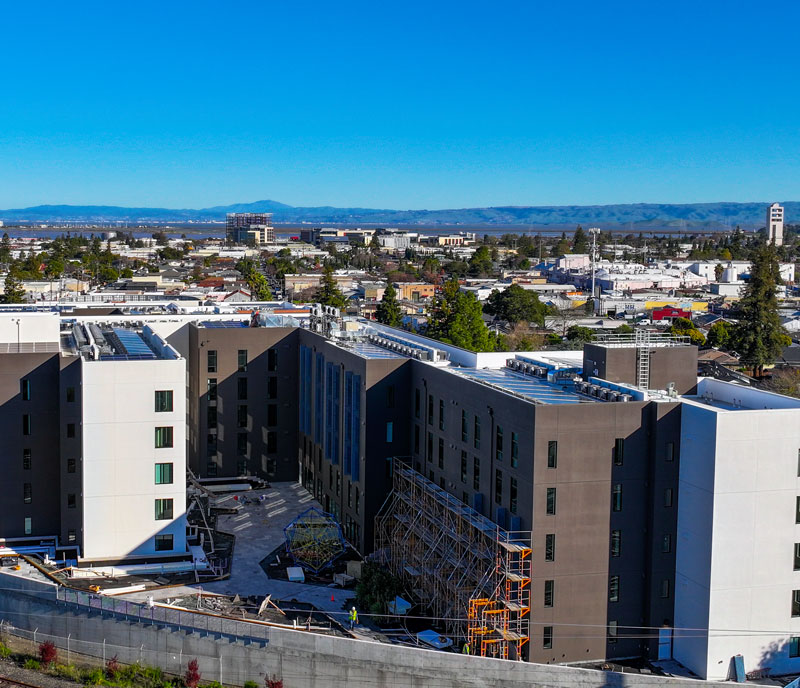
Redwood City, CA
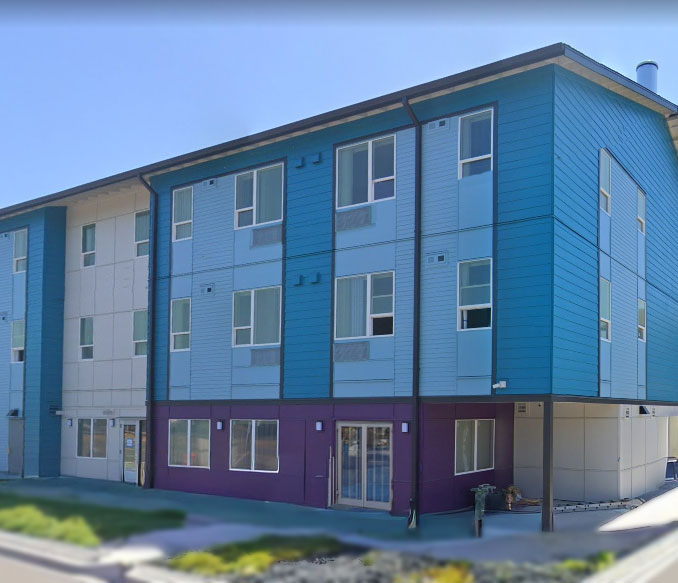
Portland, OR
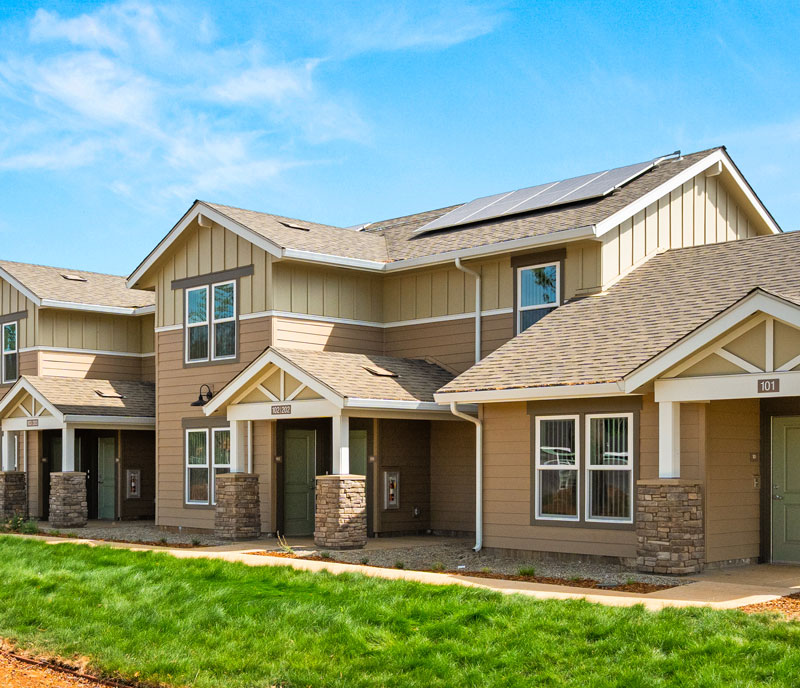
Paradise, CA
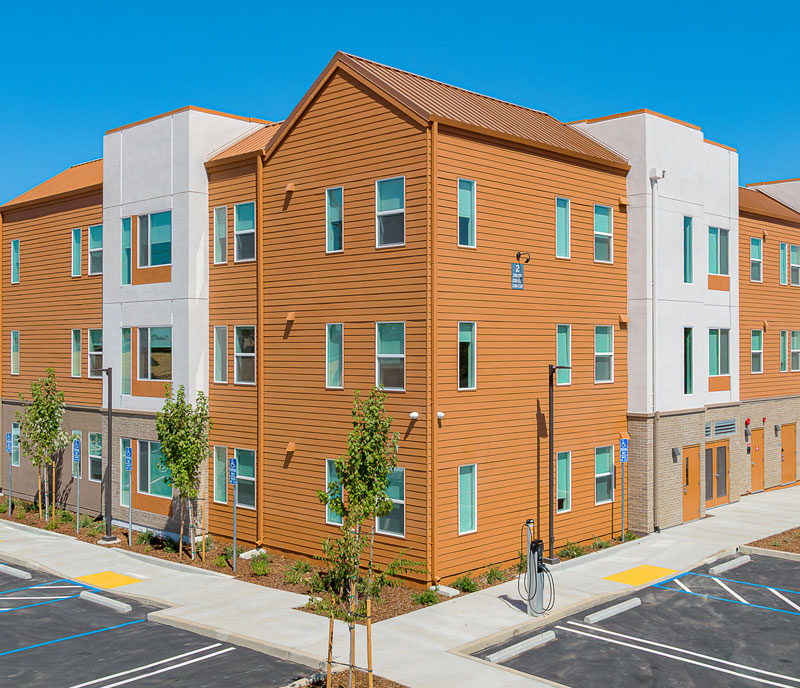
Roseville, CA
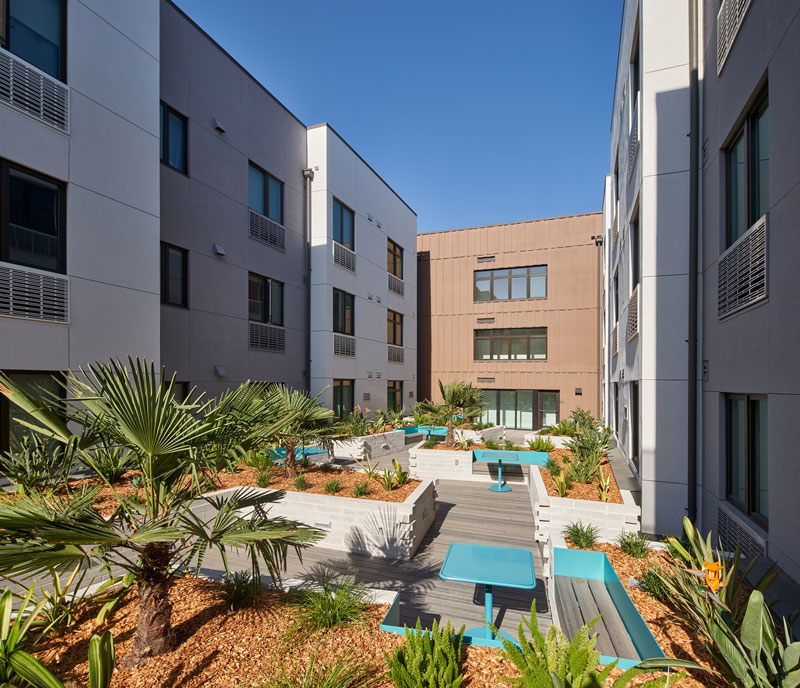
Palo Alto, CA

Educators
Families
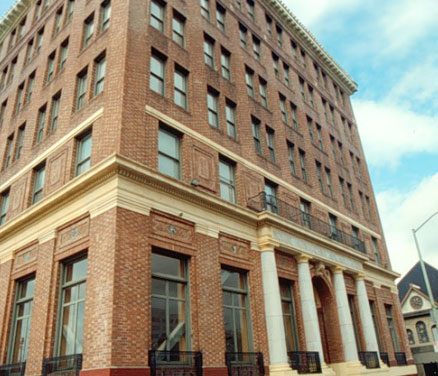
Oakland, CA

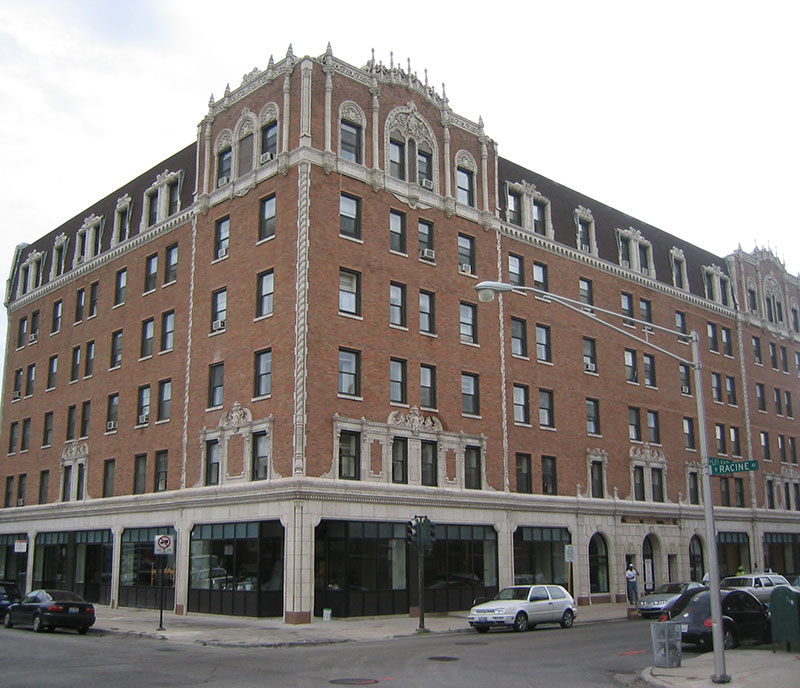
Chicago, IL
Permanent Supportive
People with Disabilities
Exiting Homelessness
Veterans
live in a Mercy Housing home.
participated in programs, classes, or community activities
accessed health & wellness services
worked with staff to stay in their homes
participated in after-school programs, tutoring, and youth activities
Yvette and her family have called Mercy Housing Lakefront’s Batavia Apartments home for more than six years. Now as a resident leader, she supports others in her community.
Yvette grew up in the Republic of the Congo, where summers spent in the village taught her resilience. Moving to Chicago as a teenager brought new challenges, but she adapted. “When you’re a kid, you just go with the flow,” she said.
She moved to Batavia Apartments from Aurora, Illinois, with her mother and two siblings when she was a high school junior.
After graduating, Yvette became active in resident services, creating new programs for neighbors. She launched a walking club to encourage exercise and strengthen community connection. “I felt like walking was something most people could do,” she said. She also started a Bible study group, offering residents a consistent place to gather, reflect, and find hope. Yvette also led a one-month healthy living seminar, teaching basic wellness principles such as drinking more water, eating healthy, and getting sunshine.
Inspired by her mother, a single parent who pursued nursing school, Yvette has focused on helping her community. She began medical school in August and is considering a future in neurosurgery or cardiothoracic surgery.
“I wanted the programs I started to unite the community,” she said. “Everybody can reduce stress by taking better care of themselves. Let’s get out there together.”
Today, Yvette is a resident leader, volunteer, and first-year medical student working toward becoming a physician. Her journey reflects the power of stable housing to support leadership, education, and a future dedicated to serving others.
(Yvette stands outside Batavia Apartments in Illinois, the community she calls home, where she volunteers and now begins her journey as a first-year medical student.)
 Maria first experienced Mercy Housing as a child living in one of our communities. Today, she helps lead the organization that opened the door to her future.
Maria was five years old when her family immigrated from Mexico to the United States and moved into Appian Way in Kent, Washington. A few years later, when Mercy Housing acquired the community, Maria began noticing new programs for residents.
“I got involved,” she said. “They had a homework club and a lot of activities, which helped build self-confidence for me.” Over time, homework stopped feeling overwhelming, and Maria began to see how the community’s programs helped her family focus on opportunities. “You know, growing and getting better jobs, better careers than they already had,” she explained.
Years later, Maria’s mother learned from Sonia, the property manager, that the community was hiring a part-time leasing agent and a janitor. Maria, then a restaurant hostess, hesitated to apply because she had no experience. Her mother encouraged her to try.
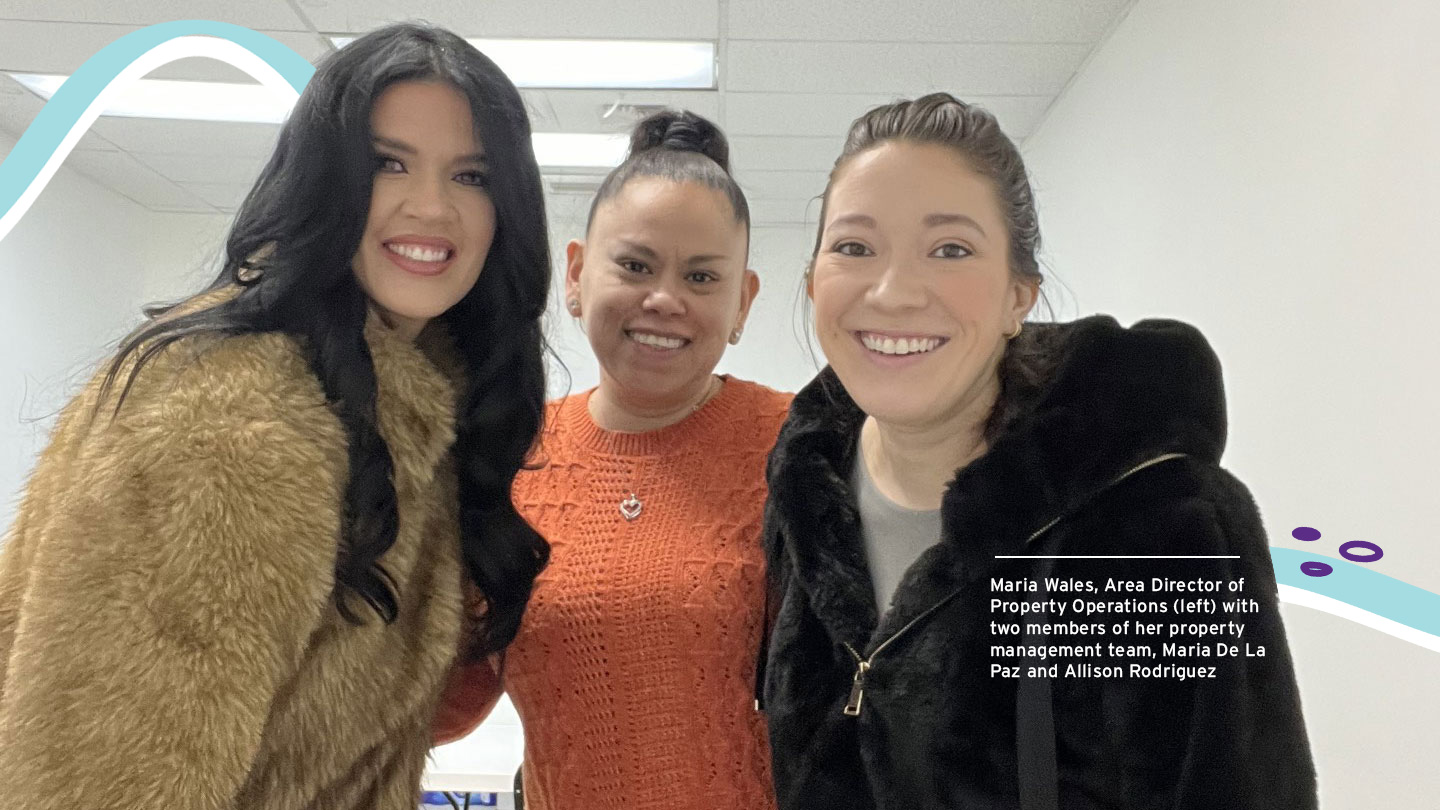
That step became the start of an incredible journey. Today, Maria is the area director of operations (ADO), overseeing five Mercy Housing Northwest communities, including Appian Way, the place she once called home.
Maria embraces the opportunity to lead others and make a lasting impact. In 2025, she led the Angle Lake lease-up, overseeing the complex process of income qualifications, compliance, and coordination required when welcoming a new family home.
Maria still remembers the moment she realized just how far she had come. “I remember being a janitor and looking at the ADOs, thinking I would never reach that position,” she said. “Now I look back and think, ‘Wow, I made it!”
In year two of our 2024-2026 strategic business plan, Mercy Housing continues to make measurable progress across our four pillars: Mercy Together, organizational resilience, housing impact, and resident impact. Our work remains focused on expanding affordable housing, strengthening resident outcomes, and building a connected, mission‑driven culture. As we approach the final year of implementation, we remain focused on strengthening our organization to better serve families, seniors, and people with special needs nationwide.
Housing Impact: Completed construction on 2,645 new homes and began construction on 2,276 more, advancing steadily toward our three‑year goals.
Resident Impact: Conducted the second annual Resident Feedback Survey, elevating resident voices and informing improvements across our communities.
Organizational Resilience: Increased property Net Operating Income by 10% over two years through reduced vacancies, energy and water savings, and improved coordination across teams.
Mercy Together: Hosted more than 20 Brave Space conversations, strengthening connections across regions and roles and fostering a more inclusive workplace culture. Launched regional “Together Teams” to foster an inclusive workplace across regions and introduced the first of seven national Affinity Groups to strengthen staff support, community, and connection.
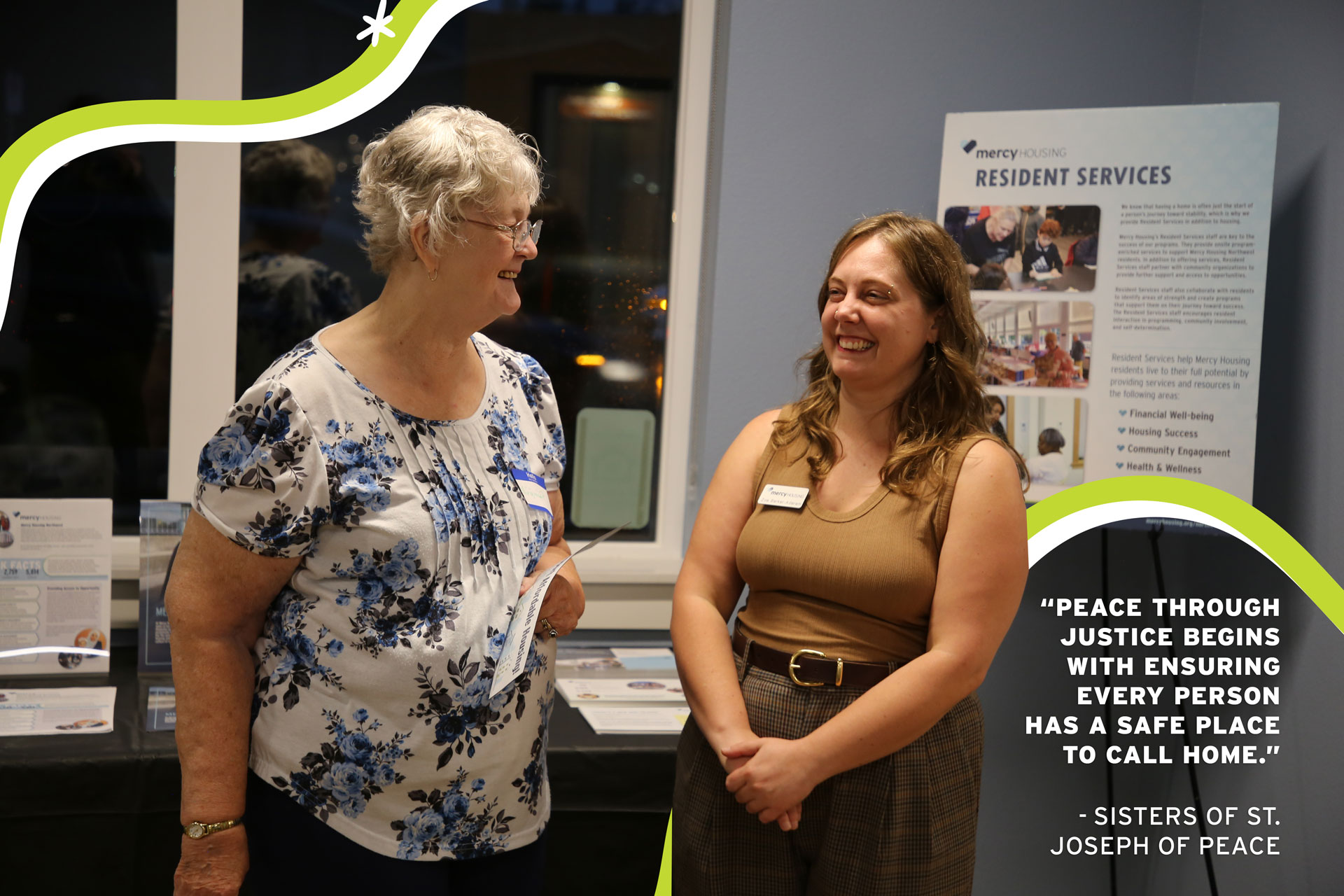
In 2025, the Sisters of Saint Joseph of Peace made a $250,000 gift to Mercy Housing Northwest’s endowment, continuing their long tradition of standing alongside those most impacted by housing instability. Through this investment, the Sisters affirm that a home is not just shelter, but the foundation for dignity, opportunity, and hope.
As a Catholic community of Women Religious committed to promoting peace through justice, the Sisters of St. Joseph of Peace have long focused their ministries on those who are poor, marginalized, and overlooked. Their ministries have included education, healthcare, and social services — always centered on protecting human dignity and strengthening communities. That commitment led them to fund the organization that became Mercy Housing Northwest and helped lay the foundation for the broader Mercy Housing network we know today.
Guided by a belief that safe, affordable housing is inseparable from human dignity, the Sisters continually ask: Who is being overlooked and how do we respond with justice and compassion?
Today, that vision continues to grow. Mercy Housing Northwest has more than 2,000 affordable homes in development and has expanded into Oregon, increasing the number of families and seniors who will benefit from our service model. Each new community carries forward the Sisters’ quiet but powerful conviction that when people have a safe place to live, dignity, stability, and opportunity can take root.
This endowment gift — along with $100,000 in matching funds from Yield Giving — will sustain resident services such as after-school programs and food pantries for years to come, ensuring residents have the support they need to build brighter futures.

Mercy Housing California (MHC) is taking on the challenge of affordable housing shortages with innovative solutions that address the demand and urgency felt across the state.
Read More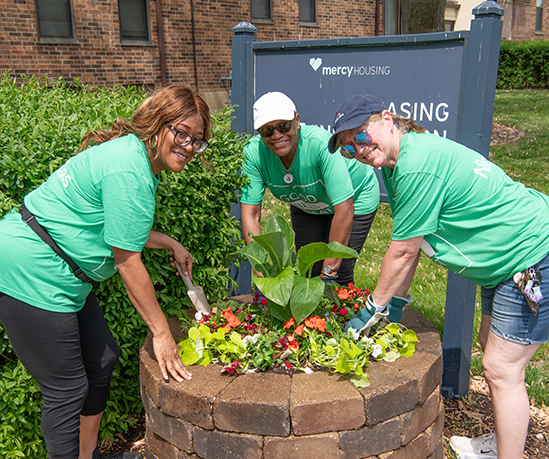
When Mercy Housing Lakefront (MHL) residents open the doors to their homes, they are also opening doors to a realm of possibilities and opportunities.
Read More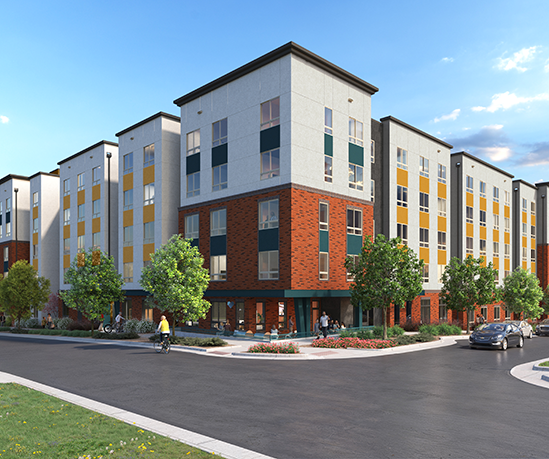
Mercy Housing Mountain Plains (MHMP) residents are the reason we work hard to bring affordable housing solutions.
Read More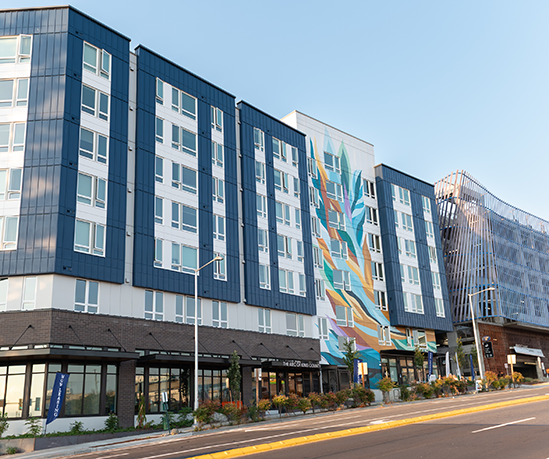
Dedicated to building and providing affordable housing for families and seniors with low incomes, Mercy Housing Northwest (MHNW) is addressing the escalating demand for affordable homes in our region.
Read More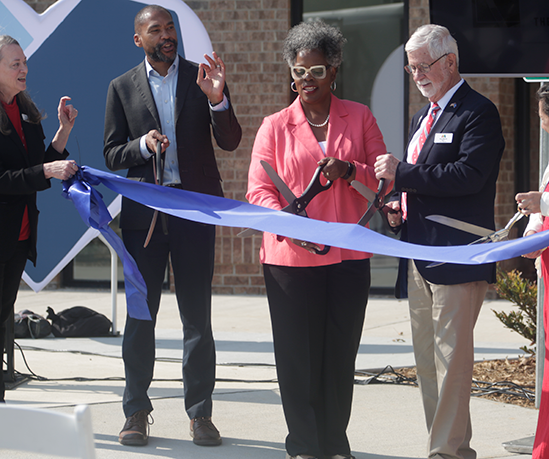
With headquarters in Atlanta, Mercy Housing Southeast (MHSE) provides stable and affordable housing for people with low incomes, including families, seniors, veterans, and people exiting homelessness.
Read More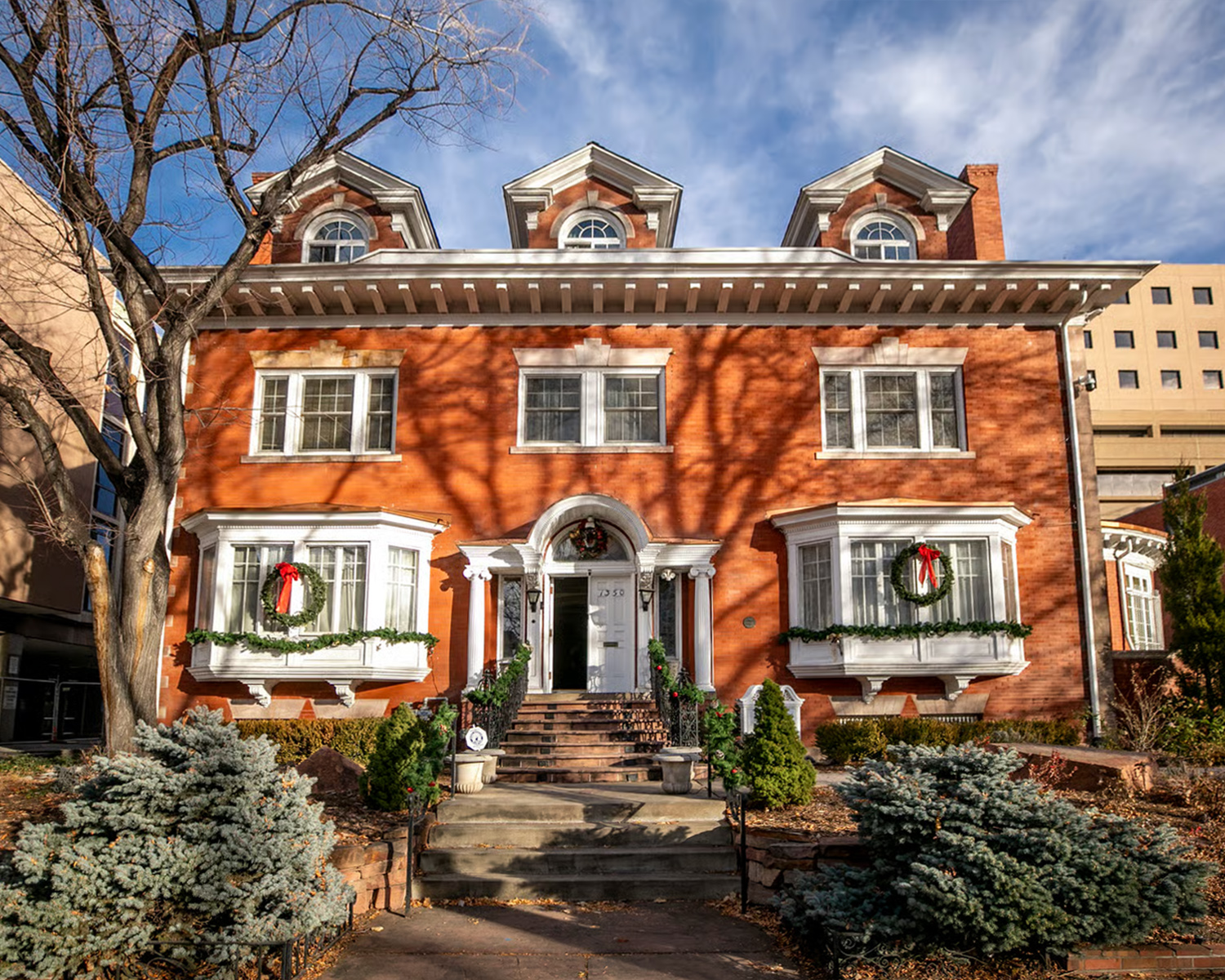
A subsidiary of Mercy Housing, Inc., Mercy Community Capital is a Community Development Financial Institution (CDFI) that provides reliable, flexible funding to a socially responsible community developers in support of affordable housing and essential community infrastructure.
Read MoreSam Ross, MD (Chair)
Katherine Aguilar Perez
JoAnn Bertges
Tom Byers
Judy Byron, OP
Yvonne Camacho
Patricia Eck, CBS
Jane Gerety, RSM, PhD
Katherine Gray, CSJ
David Jackson
Barbara Kelley
Paul Neumann
Diane Olmstead
John Powell
Colleen Scanlon
Daughters of Charity, Province of St. Louise
Daughters of Charity, Province of the West
Sisters of Bon Secours, USA
Sisters of Mercy of the Americas
Sisters of St. Joseph of Orange
Sisters of St. Joseph of Peace
Your donations support critical programming and activities that foster community engagement, improve financial well-being, and support youth development from early childhood through high school.